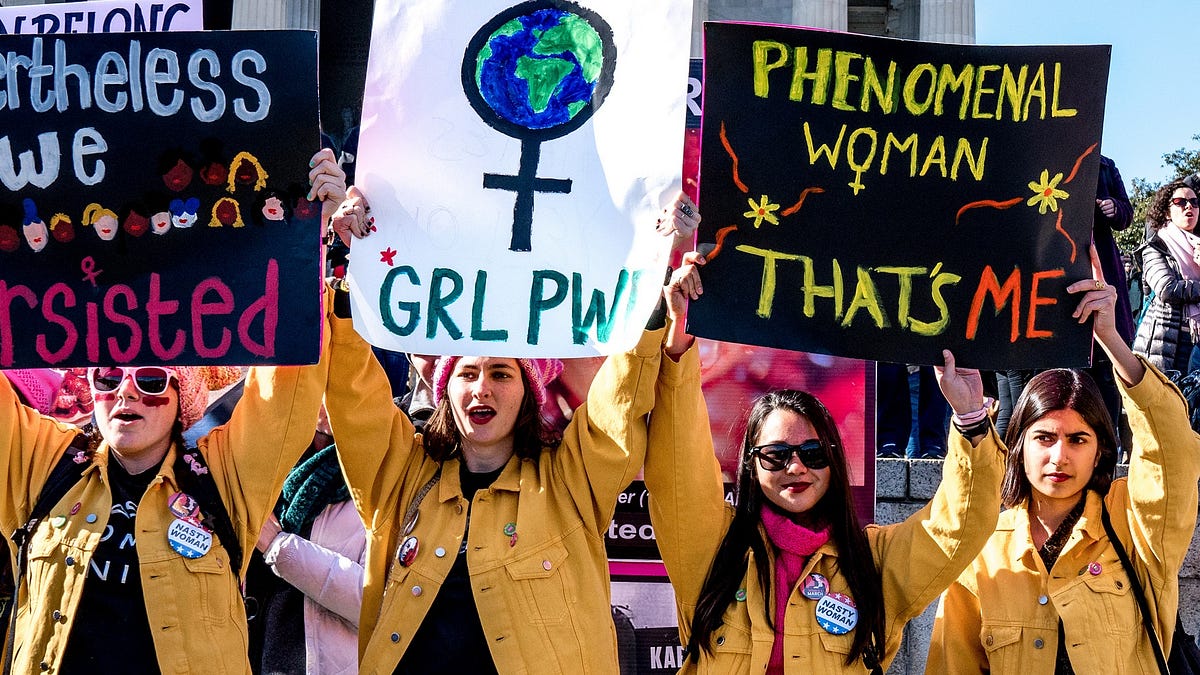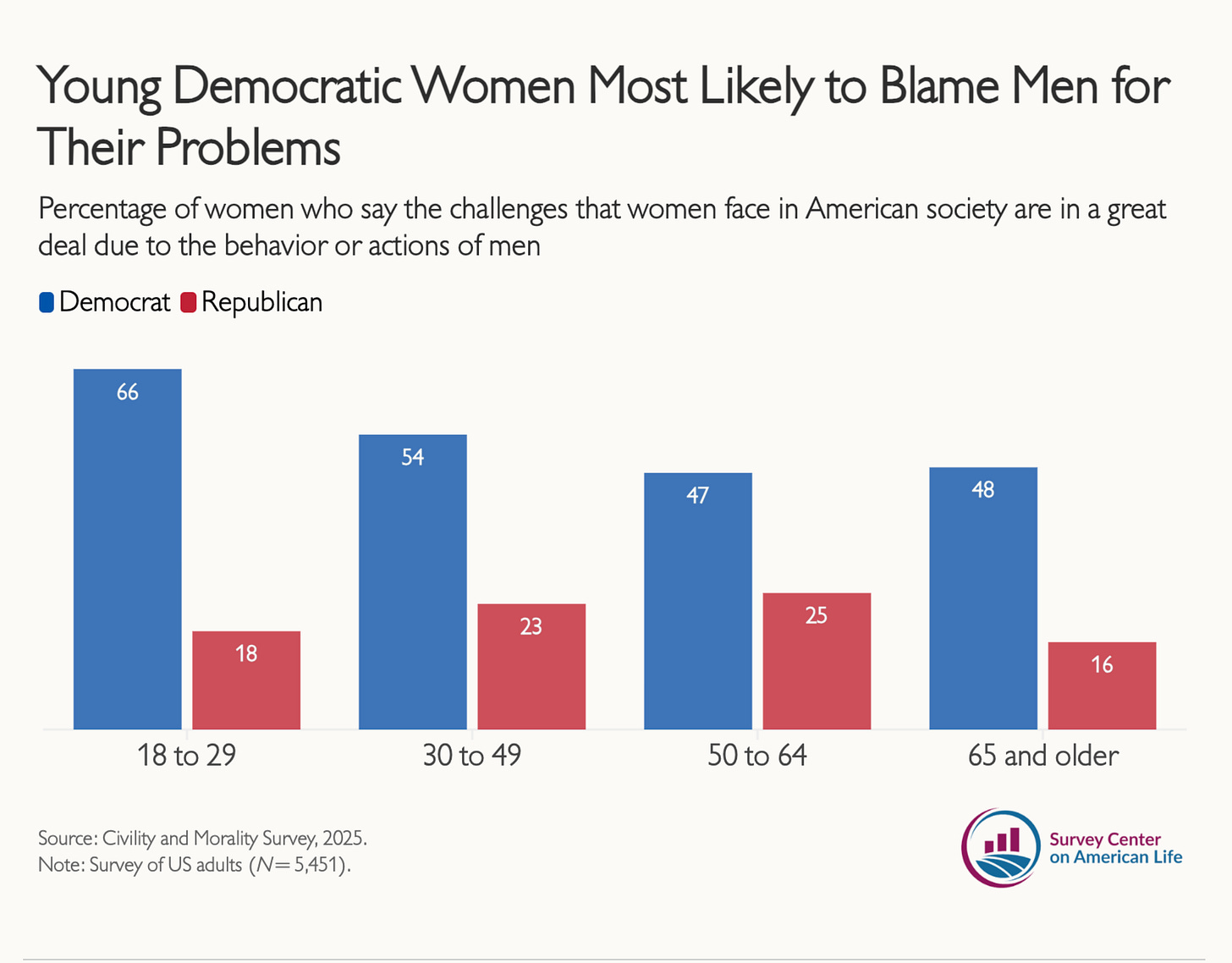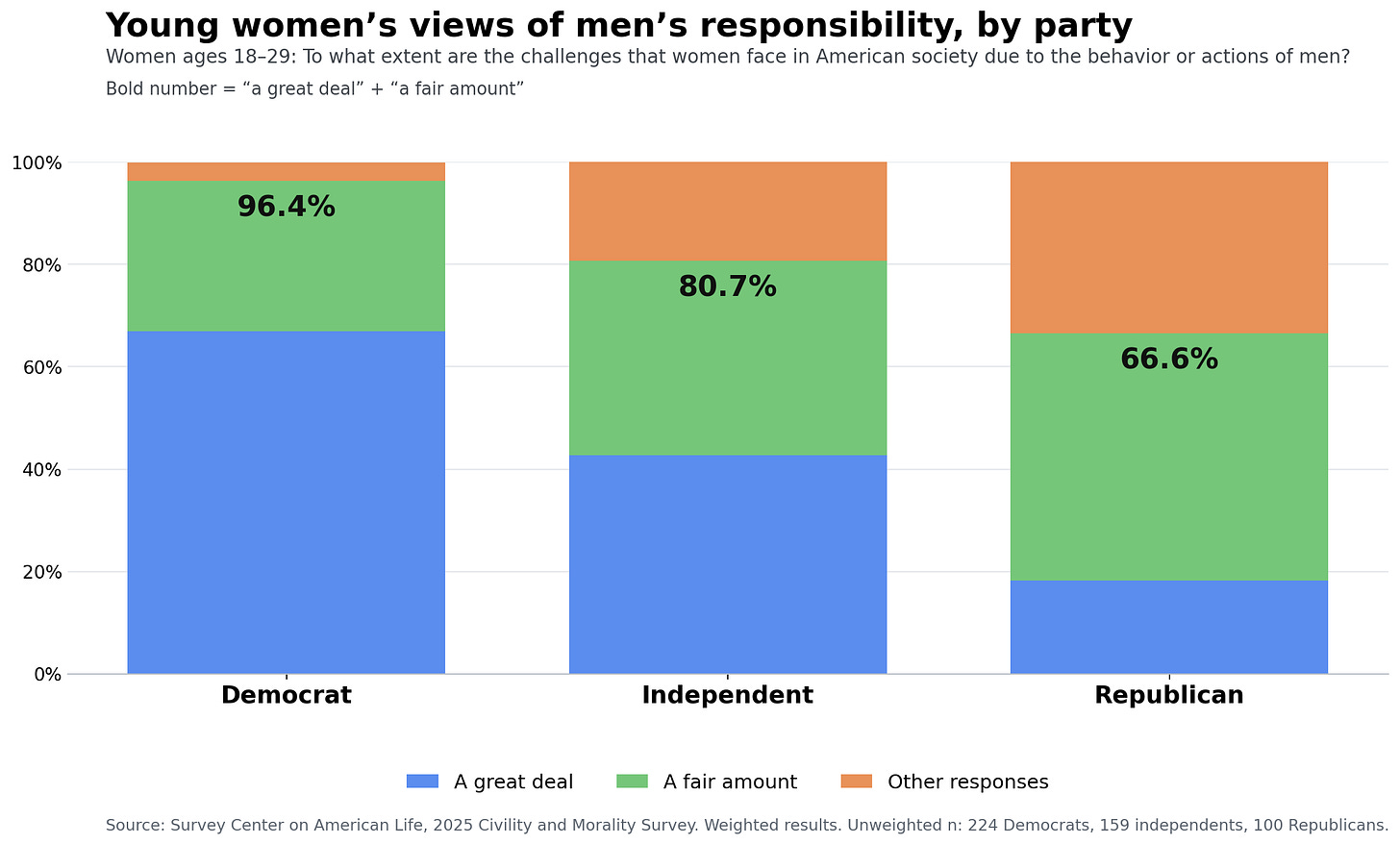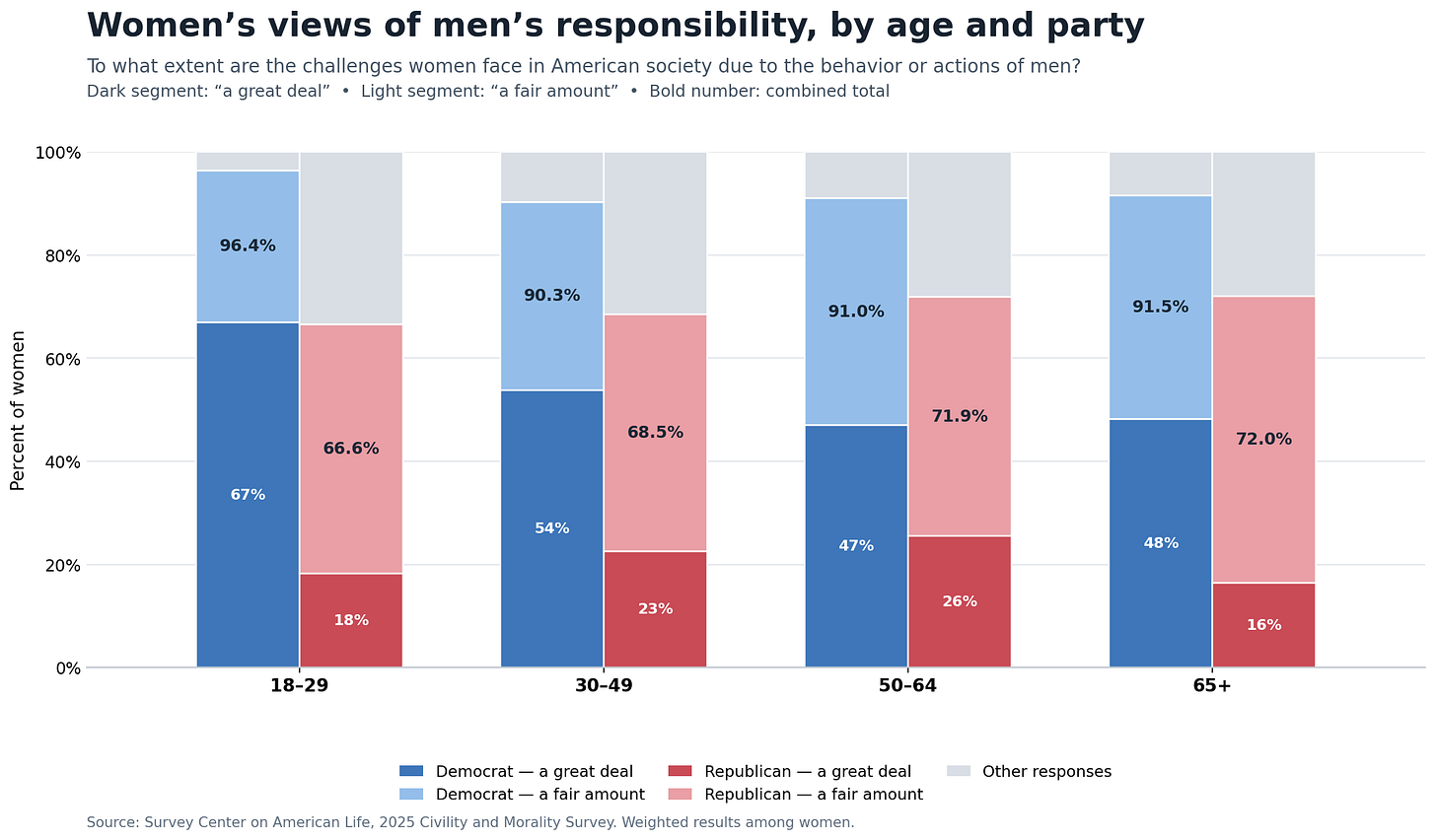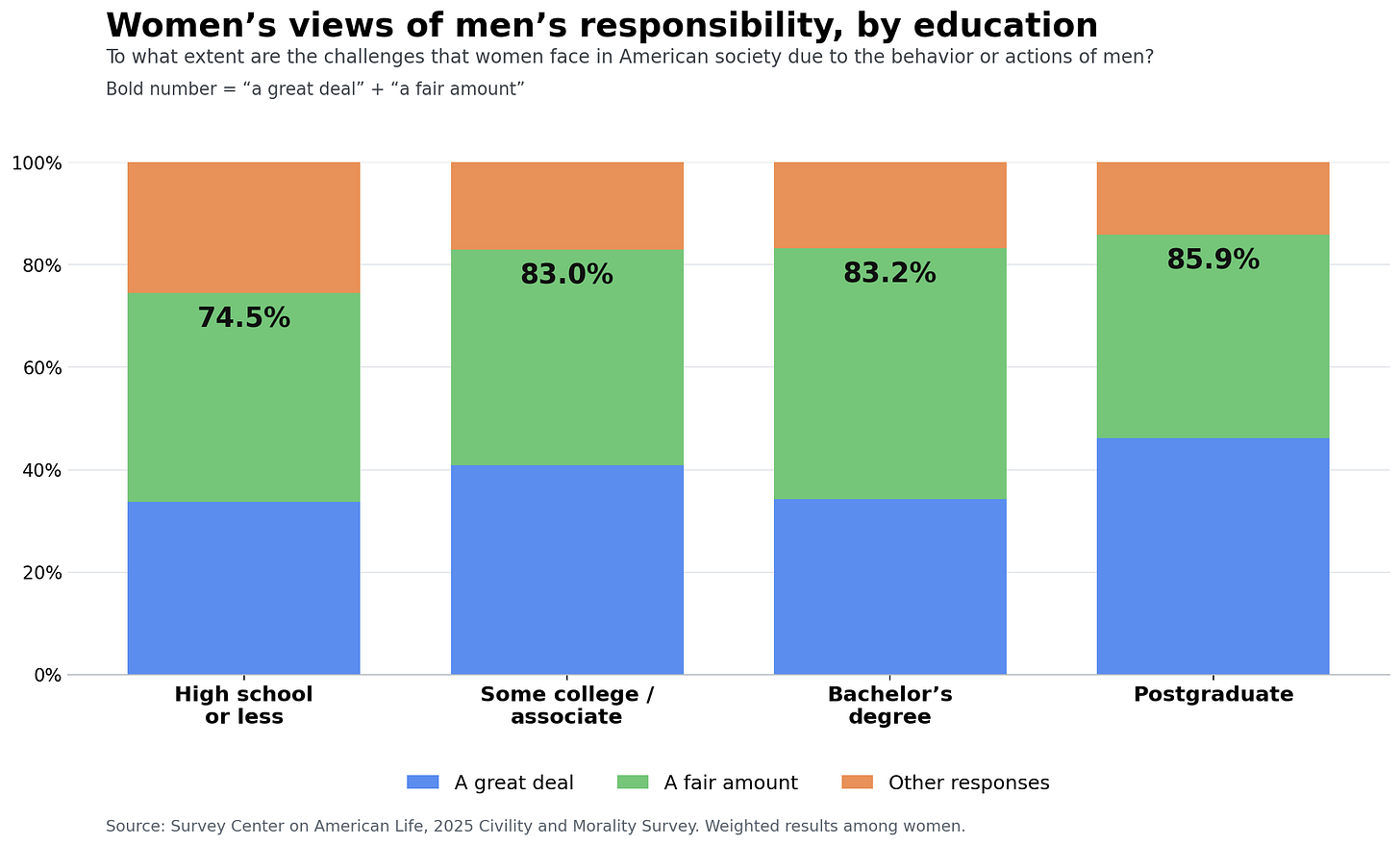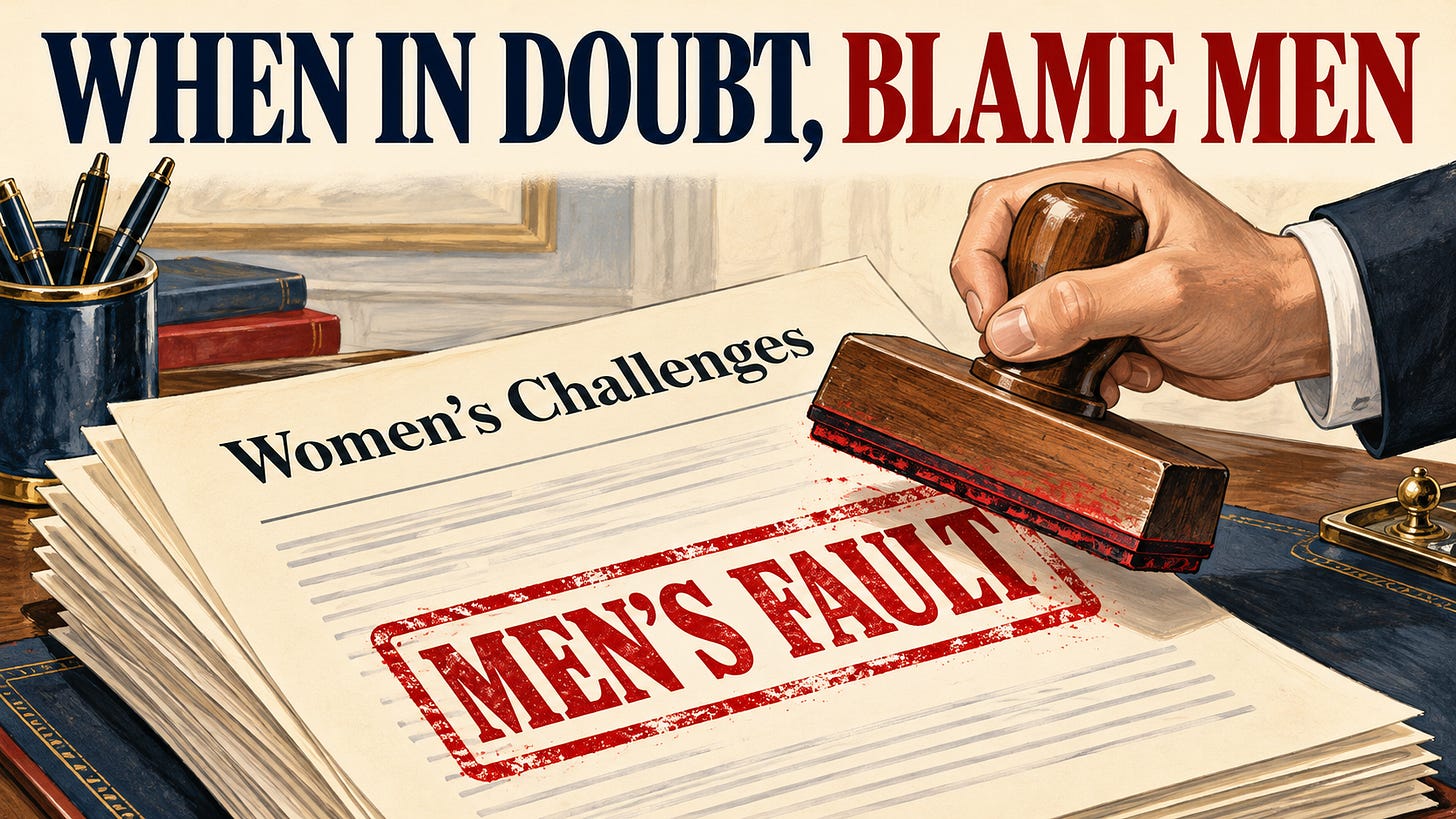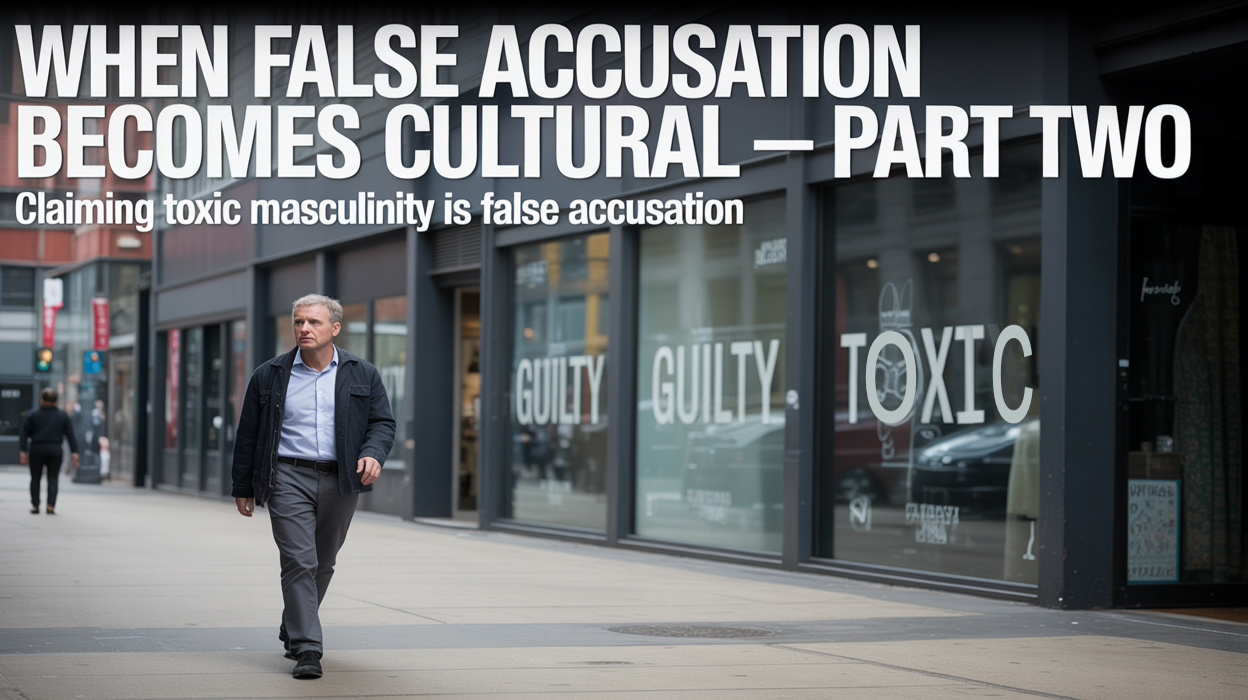
In Part One, we explored the psychology of false accusation at the interpersonal level. Now let’s turn to false accusations on a cultural level which have been ongoing for decades. eg men are toxic, men are oppressors etc.
We examined how false accusations can arise not only from conscious malice, but also from emotional reinterpretation, projection, social contagion, cognitive dissonance, and the powerful human need for moral belonging and validation.
We also explored what happens psychologically to the accused:
hypervigilance,
social anxiety,
depression,
withdrawal,
fear of relationships,
fear of institutions,
normal self-defense mechanisms no longer work,
fear of speaking openly,
significant anger,
and an ongoing sense that the world is no longer entirely predictable or safe.
But now we arrive at a deeper and more uncomfortable question:
What happens when these same accusation dynamics move beyond individuals and begin operating culturally?
Because the more closely one examines modern narratives surrounding men and masculinity, the more difficult it becomes to ignore the structural similarities.
The scale changes.
But the psychology often remains remarkably similar.
Consider some of the dominant cultural messages of the past decades:
“Men are toxic.”
“Men are oppressors.”
“Masculinity is dangerous.”
“Men are privileged.”
“All men benefit from patriarchy.”
“Male sexuality is inherently threatening.”
These are not criticisms aimed at specific individuals for specific actions.
They are sweeping moral accusations attached to an entire birth group.
And psychologically, broad accusations toward men often function in ways strikingly similar to interpersonal false accusation dynamics.
This does not mean harmful men do not exist. Some men commit terrible acts. Some expressions of masculinity can become destructive.
But there is a profound difference between:
“Some men do harm” and “Men are the problem.”
That distinction matters enormously.
Because once a culture begins attaching generalized moral suspicion to an entire class of people, predictable psychological and social dynamics begin appearing.
The first thing to understand is that culturally endorsed accusations are not sustained merely by anger or misunderstanding.
They are sustained because they are socially rewarded.
Human beings are profoundly shaped by incentives, approval, belonging, status, and fear of exclusion.
When a behavior produces rewards while carrying little social consequence, the behavior tends to spread — especially when those rewards are emotional, social, or institutional.
And broad accusations toward men often receive enormous reinforcement from modern culture.
Approval.
A person who makes sweeping negative statements about men is often treated as morally aware, socially conscious, compassionate, or enlightened. Even highly generalized statements that would immediately be recognized as prejudice if directed toward other groups are often applauded when directed at men.
This creates a powerful psychological reward loop.
The accusation itself becomes a form of virtue signaling.
Status.
Within many social and academic environments, criticism of men can function as a marker of sophistication or moral seriousness.
The more forcefully one condemns masculinity, patriarchy, or male privilege, the more one may be perceived as educated, progressive, or morally evolved.
Human beings naturally move toward ideas that increase status within their group.
This is especially true among young people trying to establish identity and belonging.
Group Belonging.
Many people do not repeat anti-male narratives because they have deeply studied the issue.
They repeat them because those narratives signal membership within a moral community.
Agreement brings acceptance.
Disagreement risks criticism, discomfort, or exclusion.
This creates pressure toward conformity.
A person may privately feel uncomfortable with broad accusations toward men while publicly nodding along in order to avoid social friction.
Over time, silence itself begins reinforcing the accusation.
Moral Signaling.
Public condemnation of men often functions as a way of signaling one’s own moral goodness.
“I oppose toxic masculinity.”
“I challenge male privilege.”
“I call out men.”
These statements become less about truth and more about demonstrating moral identity.
This is one reason nuance often disappears.
Nuance does not signal purity as efficiently as outrage does.
Online Validation.
Social media dramatically amplifies these dynamics.
Broad accusations toward men frequently generate likes, reposts, emotional validation, attention, and algorithmic amplification.
Outrage spreads rapidly because outrage activates emotion.
And emotion drives engagement.
As a result, the most emotionally accusatory versions of these narratives often rise to the top culturally.
Meanwhile, calm nuance spreads far more slowly.
Institutional Protection.
Perhaps most importantly, broad accusations toward men are often institutionally protected.
Media organizations frequently repeat generalized negative narratives about men with little scrutiny.
Academic frameworks sometimes begin from assumptions of male power, male danger, or male oppression rather than examining men as full human beings with strengths, vulnerabilities, sacrifices, and suffering of their own.
Corporate trainings often present masculinity primarily through the lens of risk, harm, or pathology.
Entertainment media repeatedly portrays men as incompetent, emotionally defective, predatory, or morally suspect.
And because these narratives are institutionally reinforced, many people become afraid to question them openly.
This creates a striking asymmetry.
Broad accusations toward other groups are quickly challenged as prejudice.
Broad accusations toward men are often normalized.
That normalization matters psychologically.
Because when accusations are constantly reinforced while objections are socially punished, people gradually stop examining the fairness of the accusation itself.
The accusation simply becomes part of the cultural atmosphere.
And once that happens, boys and men begin breathing it in from childhood onward.
This is where the psychological overlap with interpersonal false accusation becomes especially important.
The mechanisms are strikingly familiar.
The incentives are similar.
The reinforcement patterns are similar.
The double binds are similar.
And the emotional impact on the accused is often strikingly similar too.
Many men begin walking through the world cautiously, carefully monitoring their speech, humor, sexuality, eye contact, opinions, and interactions.
Some become hesitant around women.
Some avoid mentoring younger women.
Some withdraw emotionally.
Some stop speaking honestly altogether.
Some work to avoid women altogether.
Not because they are guilty.
But because accusation itself has become dangerous.
And just as with interpersonal false accusations, men often encounter cultural double binds.
If a man objects to sweeping accusations toward men:
“That proves fragility.”
If he defends masculinity:
“That proves insecurity.”
If he says men are hurting too:
“He is centering men.”
If he remains silent:
The accusations stand unanswered.
This resembles what psychologists sometimes call a Kafka trap:
denial itself becomes evidence of guilt.
And once that dynamic takes hold culturally, rational discussion becomes extraordinarily difficult.
Another dynamic begins appearing as well: internalized stigma.
Human beings absorb the stories told about them.
If boys grow up hearing repeatedly that masculinity is toxic, male sexuality is dangerous, fathers are suspect, and men are emotionally defective or oppressive, many eventually begin carrying a quiet shame simply for being male.
This is especially powerful because most boys and men genuinely want to be good.
They want connection.
They want love.
They want approval.
They want to protect.
They want to provide.
They want to be seen clearly.
That makes them highly vulnerable to moral condemnation.
And over time many men unconsciously begin adopting the language used against them.
Not necessarily because the accusations are true.
But because social belonging often depends upon agreeing with them.
This is one reason cultural accusation can become psychologically devastating even without formal accusation directed at a specific individual.
A person does not need to be accused in court to begin feeling morally suspect.
Repeated moral framing can create the same psychological atmosphere:
hypervigilance,
self-monitoring,
fear,
silence,
alienation,
anger,
and shame.
That may help explain why so many ordinary men today feel vaguely accused all the time.
Not because they have committed wrongdoing.
But because they are living inside an atmosphere of collective moral suspicion.
And one of the most troubling aspects of this dynamic, much like the interpersonal false accuser, is that there are often very few consequences for spreading these accusations.
In some cases, even demonstrably false accusations produce little accountability for the accuser while inflicting enormous psychological, reputational, relational, and financial harm on the accused.
Human beings notice incentives.
When accusations produce approval and status while carrying little social cost, the accusations spread.
That is why even small moments of calm moral clarity become important.
Perhaps one of the healthiest things we can begin doing is gently interrupting broad false accusations when we hear them.
I have found that because challenges to the ideology often trigger immediate emotional reactions, the best response is usually to rely on men’s natural strengths of logic, calmness, and steadiness. Those strengths are often surprisingly effective against relational aggression.
When someone says:
“Men are toxic.”
We might calmly respond:
“Wait a minute. That’s a sweeping accusation against an entire group of people. That’s a logical fallacy. Men are human beings, not a toxic class.”
Or perhaps:
“That sounds like stereotyping an entire birth group.”
Or even:
“It sounds like you’re having a hard time finding compassion for men.”
That last response has an interesting effect. In my experience, it almost immediately causes the other person to insist that they do have compassion for men. Once they say that out loud, the conversation shifts. Now they feel some pressure to demonstrate that compassion rather than continue making broad condemnations.
The important thing is not to become reactive yourself. Calmness matters. Clarity matters. Refusing to mirror hostility matters.
Think about your own phrases ahead of time. Have them ready. A calm sentence, spoken at the right moment, can interrupt a great deal of cultural conditioning.
Small moments like this matter.
Cultures are shaped conversation by conversation.
And many people repeat these phrases casually without ever fully considering what they imply psychologically.
Imagine if we normalized speaking this way about women, blacks, Jews, gays, or any other birth group.
Most people would immediately recognize the prejudice.
Men deserve the same moral clarity.
This does not mean ignoring harmful behavior.
It means refusing collective moral condemnation.
It means separating individuals from stereotypes.
It means recognizing that broad accusation injures innocent people — especially boys who are still forming their identity.
A healthy culture should be able to criticize harmful behavior without teaching entire groups of children to feel morally suspect simply for being who they are.
And perhaps that is part of what it means to see each other clearly again.
Not as caricatures.
Not as ideological abstractions.
Not as oppressors or victims by birth.
But as human beings.
Men Are Good, as are you.