MenAreGood
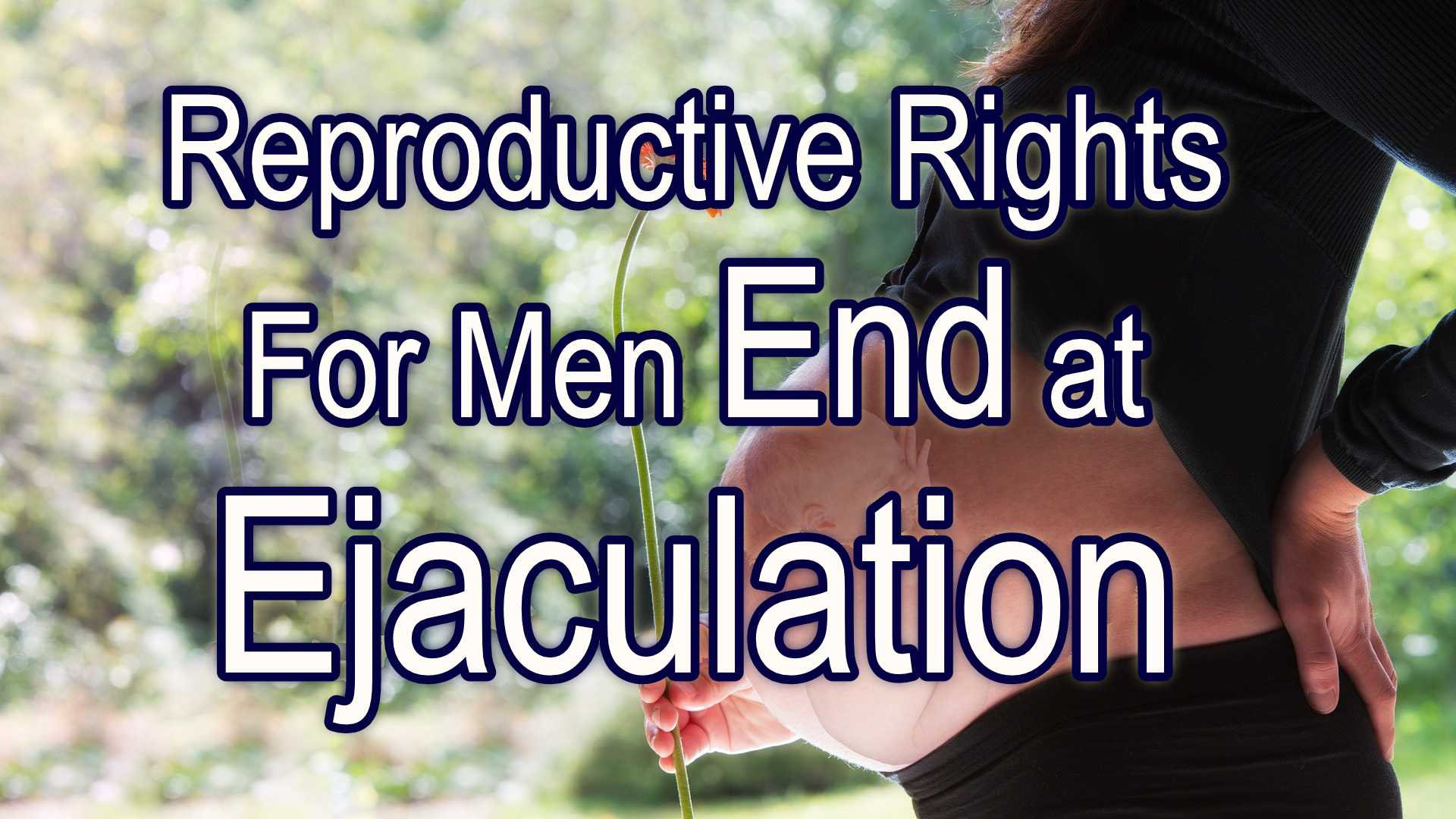
Reproductive Rights End at Ejaculation: How Men Lost Control Over Parenthood
October 20, 2025
post photo preview


Reproductive Rights End at Ejaculation: How Men Lost Control Over Parenthood

It’s one of the most unspoken truths in modern life: once conception occurs, men have no reproductive rights. A woman can choose to keep a pregnancy or end it. She can decide to raise the child or place it for adoption. A man, on the other hand, is bound—socially, legally, and financially—to whatever decision she makes.

That imbalance is so normalized that few even notice it. When the topic arises, most people reflexively defend the status quo. “Well, it’s her body.” Of course it is. But what’s rarely considered is that while women have control over their bodies, men have no control over their futures.

“The man’s genetic material, his emotional capacity, his finances, and his lifelong identity as a father or a stranger—all of it hangs on someone else’s choice. A woman’s responsibility is conditional; a man’s is absolute.

And this asymmetry is defended not as a moral dilemma to be resolved, but as a settled truth.


The Silent Consent Trap

We’ve been taught to think that when a man consents to sex, he consents to everything that might follow. But when a woman consents to sex, she still retains the right to decide afterward whether to become a mother.

This moral sleight of hand is stunning once you notice it. One person’s consent is treated as final and binding; the other’s is treated as provisional and revocable.

And yet this assumption—so old it feels invisible—forms the bedrock of modern reproductive law.

If a pregnancy occurs and the man doesn’t want to be a father, the system tells him, “Too bad. You should have thought of that earlier.” If the woman doesn’t want to be a mother, society says, “She has a right to choose.”

Both positions can’t be reconciled under any serious notion of equality.


The Price of Powerlessness

For many men, the consequence isn’t only financial—it’s existential.

Imagine discovering that someone chose to bring a child into the world with your DNA, against your will, and that you’ll now spend 18 years paying for the decision you didn’t make. Imagine learning that a partner deceived you about contraception, or tampered with protection, and you’re told by the court that none of that matters.

Your body, your consent, your word—irrelevant.

The state considers you responsible for what someone else decided to do with your biology.

The irony is brutal: men are lectured about “taking responsibility,” but responsibility without consent is not morality—it’s servitude.

And while precise numbers are impossible to know, the scale of this problem is enormous. Countless men quietly accept pregnancies they would have preferred to avoid—not because they chose fatherhood, but because the law left them no voice in the matter. For every man who speaks out, many more simply submit to a fate decided by someone else. And this imbalance cuts both ways. Just as some men are forced into fatherhood they didn’t choose, others are denied fatherhood they deeply want. Many have stood by helplessly as a pregnancy they hoped to cherish was ended—not because they were careless or uncommitted, but because the law gave them no voice. For them, “her choice” becomes their grief, and that grief is treated as if it doesn’t exist.

And beneath that larger injustice lies an even starker reality: a measurable percentage of pregnancies begin with deliberate deception. Studies conservatively estimate that 1–3% of fathers are unknowingly raising children who are not biologically theirs. Men who uncover the truth and challenge paternity are often ordered to keep paying anyway, because “it’s in the best interest of the child.”

In other words, the legal system tells men that even being lied to about fatherhood doesn’t matter—your wallet still belongs to the child, and by extension, to the mother who deceived you. It’s her body, her choice—and your wallet, her choice too.


Moral Courage and the Empathy Gap

Why is there so little outrage about this? Because when men suffer, empathy tends to vanish.

We can see this in how society responds to female pain—mobilizing instantly, funding shelters, rewriting laws—and how it responds to male pain—with indifference, mockery, or moral lectures.

A man who feels trapped by fatherhood he didn’t choose is told he’s irresponsible or immature. A woman who feels trapped by motherhood she didn’t choose is seen as courageous for seeking control. And when a man feels trapped by abortion—when he longs to protect the life of his own child but is powerless to stop its ending—his pain is dismissed as interference in someone else’s right.

This empathy gap runs so deep that even discussing male reproductive rights feels taboo. People worry it undermines women’s freedom, as if equality for one sex must come at the other’s expense.

But fairness isn’t a zero-sum game. Equality doesn’t mean less compassion for women—it means more honesty for everyone.


The “Financial Abortion” Idea

One idea, sometimes called “paper abortion” or “financial abortion,” proposes that men should be able to relinquish legal parenthood within a set time early in pregnancy—mirroring a woman’s right to choose abortion or adoption.

Critics say it lets men “walk away from their responsibilities.” But this criticism misses the point: responsibility must follow consent. You can’t demand moral or financial duty from someone who had no voice in the decision that created it.

If women can legally choose parenthood, men should at least be able to choose not to be one.

Otherwise, what we call equality is really a kind of gendered servitude—freedom for one sex, obligation for the other.


Consent and Control

At its heart, the issue of reproductive rights for men isn’t about sex. It’s about consent, autonomy, and the meaning of equality.

In every other area of life, consent without control is invalid.
If someone borrows your car without permission, you don’t owe them gas money because “the trip already happened.” If a doctor performs a surgery you didn’t consent to, it’s malpractice—even if they believed it would help.

Yet when it comes to reproduction, we abandon that principle completely.

Men’s consent ends at ejaculation. From that moment on, everything that follows—the pregnancy, the birth, the lifelong obligation—is out of their hands.

And society calls this justice.


The Deeper Consequence

When men feel they have no control over one of life’s most defining events—whether or not they become a father—it fuels a quiet kind of despair. It teaches them that their choices don’t matter, that their voices are disposable, that their role in reproduction is purely mechanical.

It also weakens trust between men and women. True partnership depends on mutual agency and mutual accountability. When one side holds all the power, resentment grows.

This isn’t just a legal problem; it’s a relational one. Many young men today fear relationships precisely because they sense this imbalance—because they know that in the eyes of the law and culture, they have no reproductive rights, only responsibilities.


A Culture That Values Both Sexes

Reproductive fairness shouldn’t be controversial. If we truly believe in equality, then both sexes deserve the same moral and legal respect for their choices.

That means we need to have the courage to ask hard questions:

  • Should men have the right to decline fatherhood when women can decline motherhood?

  • Should paternity testing be standard, to protect both fathers and children from deception?

  • Should reproductive coercion—like lying about birth control—be treated as seriously as forcing a woman into pregnancy?

Equality isn’t about punishing women or freeing men from moral duty. It’s about aligning rights with responsibilities, and recognizing that both sexes have an equal stake in the creation of life.

Until that happens, we’ll keep pretending that justice exists where it doesn’t—and men will keep paying the price for choices they didn’t make.

Because in our culture, reproductive rights still end at ejaculation.
community logo
Join the MenAreGood Community
To read more articles like this, sign up and join my community today
0
What else you may like…
Videos
Posts
Articles
September 03, 2026
False Allegations - What the Numbers Don't Tell Us

We are getting a head start on International Falsely Accused day on Sept 9th!

How many false allegations of sexual abuse are there? We are often told they are extremely rare—perhaps only one to three percent. But those numbers depend on an extraordinarily narrow definition of what qualifies as a false allegation. They usually count only allegations proven to have been deliberately fabricated. Mistaken identity, contaminated memories, misunderstandings, suggestive interviewing, unsupported accusations and even recanted allegations may not be included.

In this conversation, Janice Fiamengo and I speak with Dr. Felicity Goodyear Smith, a physician, forensic medical examiner and professor at the University of Auckland who has studied wrongful allegations for more than three decades. Felicity explains the many different ways an innocent person can be accused, separating deliberate fabrications from allegations that are sincerely believed but untrue.

We also examine how “believe the victim” has ...

01:09:20
July 15, 2026
The Women's Health Narrative Meets the DATA

What if one of the most common claims in health policy simply isn’t true?

We’ve all heard the refrain: women are underfunded, under-researched, and left behind by the medical establishment. It’s repeated so often that most people never stop to ask for the evidence.

In this roundtable, Jack Kammer, Ed Bartlett, Ed Stephens, Jim Nuzzo, and I compare that narrative with the available data. We examine research funding, clinical trial participation, life expectancy, and the unintended consequences of policies that consistently prioritize one sex while neglecting the other.

This isn’t an argument against women’s health. It’s an argument for evidence, fairness, and a healthier future for everyone.

Link to the Feminist pdf that calls for 20 Billion dollars for women’s health!
https://drive.google.com/file/d/1IKEEZMGXtRNxU4n5K_M1d6k2w-ZP_wVT/view

Jim Nuzzo

The Nuzzo Newsletter on Substack http//jameslnuzzo.Substack.com
X: https://x.com/JamesLNuzzo

Jack Kammer

Jacks Substack Men’s ...

00:35:24
July 11, 2026
Mantoon: A Visit to the Doc

A visit to the Doc.

00:00:14
August 10, 2026
Feminism Cannot Be Reformed: It Must Be Destroyed Root and Branch

Janice Fiamengo’s new book is out, and this excerpt from the Foreword gives you a pretty good idea of what to expect. Janice goes straight to the heart of feminism and gives ample reasons for its demolition.

This is an important book. I hope you’ll get a copy for yourself—and maybe send one to someone who is even a little bit open to seeing the reality of feminism rather than the equality mask presented by feminists and so much of the media.

https://fiamengofile.substack.com/p/feminism-cannot-be-reformed

Well worth watch it’s good seeing men calling out women’s bull shit when the same women are not use to fair honest responses!

https://www.facebook.com/share/v/1JtTnYLC7K/?mibextid=wwXIfr

July 02, 2026
From Shooter to Heroine: The Glorification of Feminist Violence

I recently joined Hannah Spier, Janice Fiamengo, and Jim Nuzzo for a fascinating discussion about one of our culture’s most striking double standards: why violence by women is so often explained, excused, or even celebrated, while violence by men is treated very differently. We examine Valerie Solanas, the attempted murder of Andy Warhol, the SCUM Manifesto, and the film I Shot Andy Warhol, asking what the celebration and romanticizing of Solanas reveals about gynocentrism, empathy, and cultural bias. I think you’ll find it both thought-provoking and eye-opening.

September 07, 2026
post photo preview
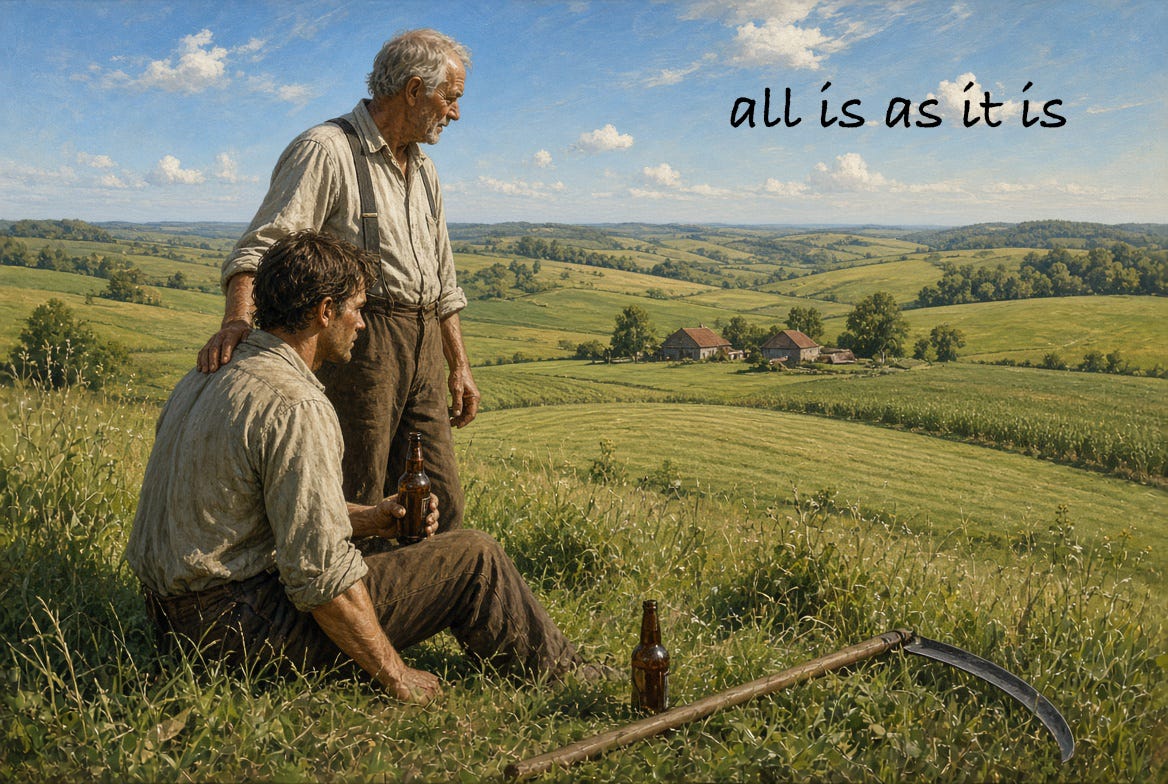
all is as it is

This post is a story by Moiret Allegiere about about awakening to manhood.


The boy, sweating, stood silent halfway up the hill. Above, in the blue skies, the sun shone brightly. Warm. Late spring. A slight breeze – quite welcome, thought the boy – broke the stillness of the air.

The boy looked out upon the seemingly endless fields below. Ancient fields, a small portion of which were his and his was also the grass which he had just cut by the sweat of his brow and his scythe and nothing more.

The boy wiped the sweat from his eyes with the palm of his left hand. His right hand, the dominant one, hung limply to the side of his body, swaying. His muscles ached. He thought it more than he felt it. Years of toil had learned him to expect as much. The grass cut then was not his grass, yet the work and the toil and the sweat and the blood belonged to him and him alone. And the very same work and toil and sweat and blood had taught him that his right arm, when not in use, must be loose and limp and tender. As if not to spoil the meat or blood or strength within, but tenderize it, preserve it and conserve it.

Because harder times had been before and harder times would come once more. All things must be conserved and saved so as not to face that snarling beast again, having spoilt or spent knife and rifle both.

“The great divide”, thought the boy. 70/30, with the harder times bearing the brunt of the thing thus split. A beast of burden led with a thin string of silver across a rickety bridge. The boy knew this. The father of the boy taught him this. The boy was five and was watching his father cut the grass and dry it and turn it into food for the sheep. The man always saved some.

Rather would he see his sheep 30 percent starved than for them not to eat at all. So he said. He never strayed. His sheep were always well fed, and his children and his wife as well. The man never strayed. A few of his children had strayed already, yet they strayed only from his path onto their own path as had he when once he grew from boy to man. All was as it should be.

The boy stood there still, and he looked at his fields and then towards the lush green of the plants growing there which he himself placed there for food, and then towards his house which he had built upon the plot of land his father gave to him. A house in which a woman and a baby also lived and breathed and ate and slept.

The boy sighed.

He looked at his watch. The time was where it should be. He stood and he looked some more. He looked at his father’s house.

Still well-kept and maintained and nurtured and loved from seed to harvest.

Beside him now, and quite suddenly, his father stood. Quiet, perhaps, as is his wont, yet lively still, far from dead, merely crippled by arthritis and now incapable of tending to all that which he once tended to.

The boy gave the man a nod, and he smiled. The father stood and he looked. Then he smiled. And they looked both upon the son’s work and the son’s world, neither saying a word because no words were needed. Some time passed. Still was the air and the time was where it should be still. The man gestured with his arm.

“Sit down, son,” he said.

The boy sat down. His father stood there, smiling.

“How’s the baby?” He asked. He had always been a kind man, yet never before as kind as just now.

The boy thought.

“Growing, crying and shitting.”

The older of the two grinned and then he laughed, heartily, and his mood changed abruptly, as if suddenly remembering something long forgotten. He paused and turned to the boy. He looked at his son’s face. Still young and handsome and maintained and nurtured and loved from seed to harvest. And in his son’s face he saw at once his own face as once it was in younger years.

“All is as it should be then?”

“Yes,” the boy said.

“Yes,” said the man.

The older of the two went quiet for a bit, fumbling in his backpack which he always carried with him. The fumbling went on for a little longer than it should, thought both boy and man. The man found what he was looking for. The man was always prepared and the man never strayed, not now and not ever.

He pulled out a beer, and then he pulled out another. Piss-warm now, perhaps, yet it was still beer and still the time was right where it should be.

The son sighed and he smiled as his father opened a beer and handed it to him, saying nothing. There they were. The boy sitting and the man standing. They stood and sat and they looked at what was theirs and theirs alone, and they drank from their beers. Then looked and drank some more. Some time passed just as time does and they stood and sat as if all that was there or anywhere was them and them alone. The older of the two then put his hand upon the shoulder of the younger, and, smiling warmly, he nodded as if to say goodbye even when his lips and his mouth and his mind and his reason said “See you later, son”. He turned and walked away, going home.

The boy sat and he looked some more upon all that was there that was his and his alone. And he sighed and he smiled and he laughed and then he made to leave.

The man got to his feet and the man turned and walked away, going back home following behind the older man, too far behind to catch up yet close enough to never stray.

Read full Article
August 31, 2026
post photo preview
The Femosphere Pipeline
How feminist ideas travel from academia and advocacy into culture, policy and law


All we hear about these days is a dangerous manosphere that is threatening our young men. Actually the manosphere is a fairly small and widely varied group of male-oriented communities that has been billed as a huge threat. All the while there is something much larger and much more dangerous that is surrounding both the manosphere and our culture. It is embedded in all that we do, I call it the Femosphere. This huge complex contains, academia, education, advocacy organizations, legislatures, government agencies, entertainment, the courts and of course, the media all working together to create and maintain a gynocentric narrative that impacts everyone.

This is the mammoth sphere through which feminist and gynocentric ideas are created, validated, circulated and converted into public policy. It is the invisible system that makes feminist claims seem unquestionably true. This goes on day in and day out and is a huge and destructive machine that no one sees. No one identifies it as ideological or biased in any way. It masquerades as the status quo. If there is a sphere that is dangerous, it is surely the femosphere.

Here’s how it works. A new slogan or concept is created in academia or feminist advocacy and then reinforced by both. The feminist advocates promote it. Journalists print it. The public reads it. Educators teach it. The public learns it. Before you know it, government agencies are incorporating it into trainings and reports. Then the legislators push it into policy and law and the courts follow along using the same ideas that prompted the policies and laws. Unprecedented teamwork, and no one sees it.

Take coercive control as a​n example. The term was first used by domestic violence advocates who described abuse as an ongoing pattern of control rather than a series of isolated violent acts. Evan Stark pulled these ideas together into a formal theory of coercive control in his book “Coercive Control: How Men Entrap Women in Personal Life (2007)“. (The title states clearly that this was not a gender-neutral theory: men were the oppressors and women were their victims.) Then the feminist advocates promoted it, journalists spread the word, educators and government agencies taught it, and police and courts were trained to use it. Eventually the legislators turned it into law. Hey Presto! The idea of male dominance and men’s violence becomes the default,

There are plenty of other examples like hegemonic masculinity or intersectionality. These all have different paths through the femosphere pipeline but the end product is the same. The specific ideas about male dominance travel from idea to law or common knowledge. The process is similar, an idea about power and male dominance begins in academia or advocacy, moves through the institutions, and eventually gains real social, political and sometimes legal power.

Here’s the tricky part. Each of these groups starts to quote the other groups as proof to the veracity of the original idea. Journalists cite the academics and advocates cite the journalists. Politicians cite both. Then the researchers come along and “study” the reality that has just been created out of thin air and prove it. Then the public hears from these many sources and voila, what started as a theory becomes an accepted reality. Advocacy becomes fact. The public nods unknowingly in agreement.

The manosphere is open season for criticism, targeting, restrictions, and containment. The femosphere is protected by a gynocentric ban on any criticism or even a negative idea in their direction. To expose who has the power just look for who cannot be criticized. That would clearly be the femosphere, women and feminism. In fact, the manosphere is the first public criticism of the femosphere and the response is predictable: Shame it, blame it, and call it pure misogyny. Don’t argue the ideas, attack personally.

This is what we have had for the last 50 years. A slow gynocentric building of a new reality. And what has been the result? Women have been inflated and men have been equally deflated. Ask just about any woman about the last 50 years and she will tell you it is progress. But has it truly been progress—or has it been a one-way transfer of concern, opportunity, and power to women, without any corresponding transfer of responsibility?

And now it is basically impossible to see.

The next time you hear someone complain about the manosphere, ask them when they will be complaining about the real problem, the femosphere.

Men Are Good.

Read full Article
August 24, 2026
post photo preview
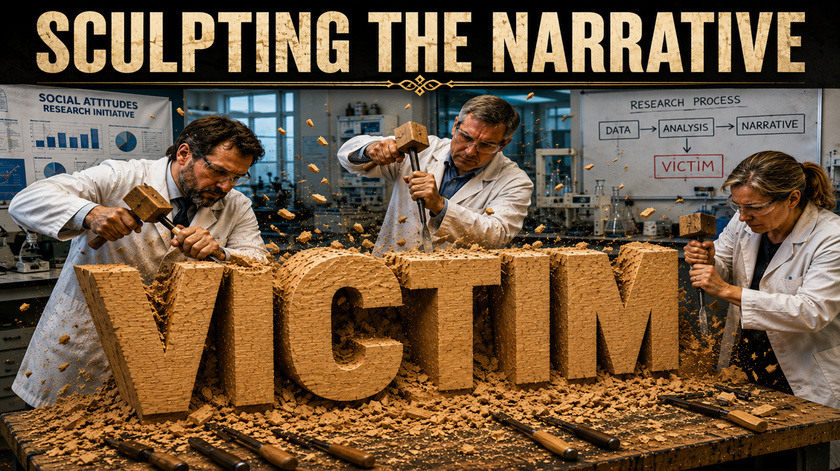
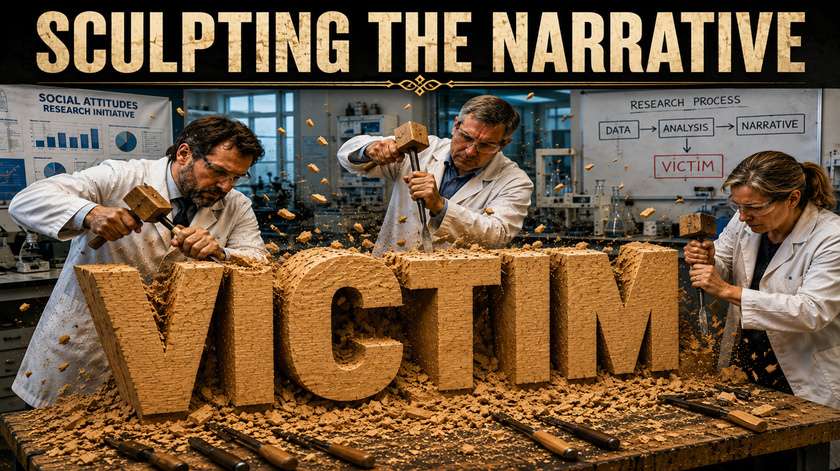
Sculpting the Narrative
How researchers can build the desired conclusion into the questions they ask


I recently came across an article with a rather alarming headline:

“Nearly One in Five Australian Men Say Violence Against Feminism Is Legitimate, Study Finds.”

That certainly got my attention. Nearly 20 percent of Australian men think violence against feminism is legitimate? That’s a lot of men. So I decided to look at the study. I’m glad I did.

The research comes from the University of Melbourne and was published in 2024. The researchers surveyed 1,020 Australians about misogyny, racism, and violent extremism. The 19.4 percent figure is real. But when you look at the question that produced it, things start getting interesting.

The men weren’t asked:

“Do you believe violence against feminists is legitimate?”

They weren’t asked:

“Is it acceptable to physically attack feminists?”

They were given this statement:

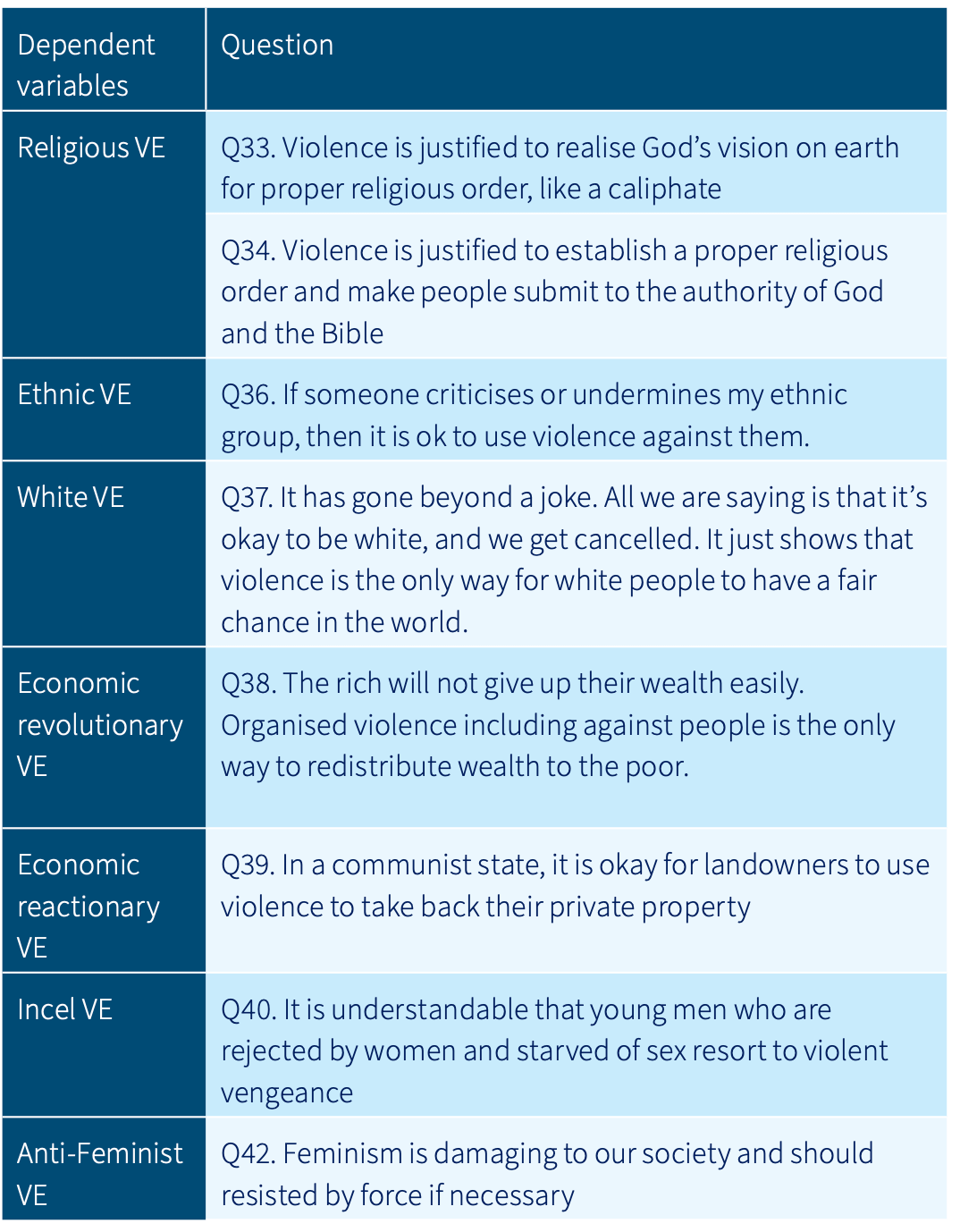
“Feminism is damaging to our society and should be resisted by force if necessary.”

That is what produced the 19.4 percent. Do you see the problem? There are several things going on in that one sentence. First, it says feminism is damaging to society. That’s one question all by itself. Then it says feminism should be resisted “by force.” What does force mean? Physical violence? Political force? Legal force? Economic force? Civil disobedience? We don’t know. And then come the two little words that really caught my attention:

“if necessary.”

What does that mean? Those words ask the respondent to imagine circumstances in which force might become necessary. Most people believe there are circumstances in which force is justified. Self-defense is an obvious example. Protecting another person is another. Resisting tyranny might be another. But none of that is explored. Instead, agreement with this rather strange question eventually becomes:

“Nearly One in Five Australian Men Say Violence Against Feminism Is Legitimate.”

That’s quite a journey.

​Here’s a screenshot of the questions they used to determine if violent extremism existed and to what degree. Can you find the question(s) that did not have the word violence in any form in them? Can you find the question(s) that concluded by saying “if necessary?” They abbreviate violent extremism with “VE.” Here’s a clue….look at the last question very carefully and then compare.

Where’s Waldo?


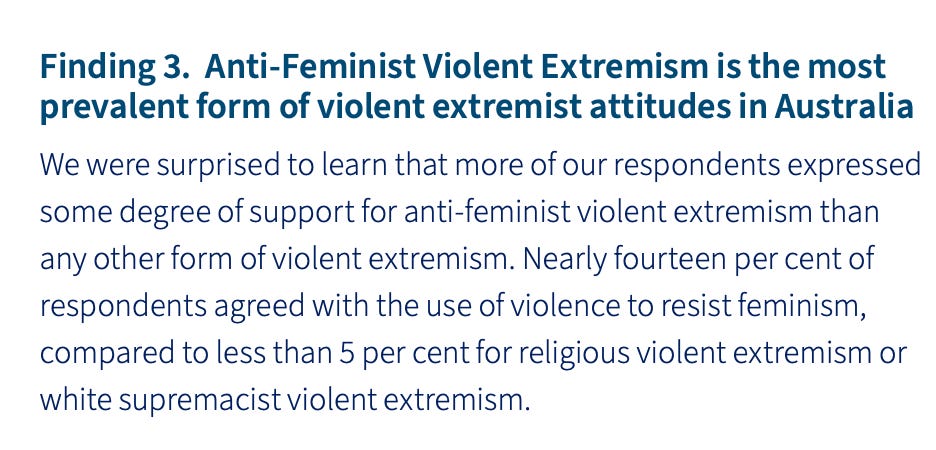
Can you see how they have sculpted things? Which got the highest scores? The one without the word violence and justified by saying “when necessary.” Then you make claims, even in your own paper, the same one that relied on that questionable question that​:


Now they call it anti-feminist violent extremism! No need to ask the question with the word violence in it? Nope.

Then I Looked at the Other Questions

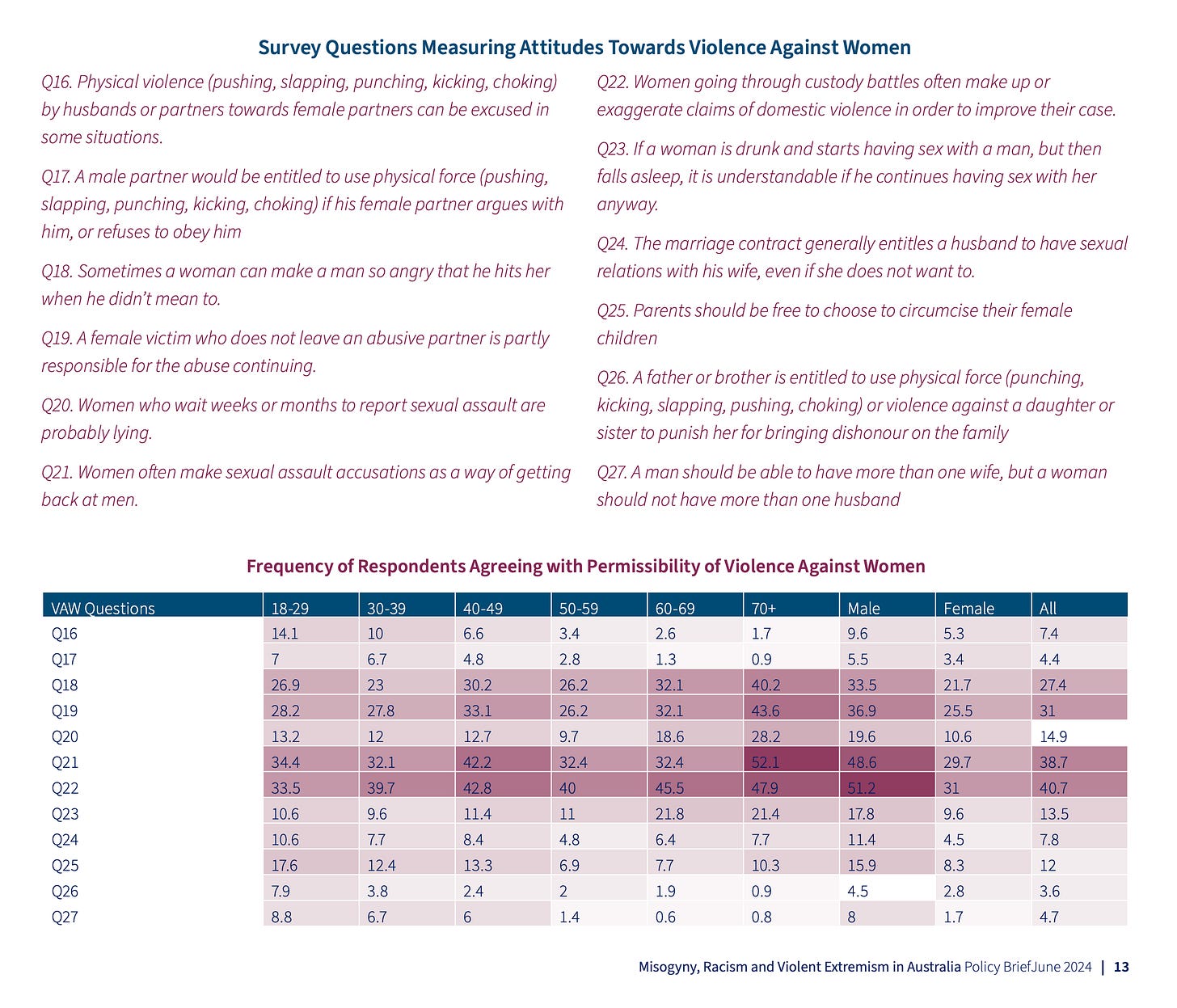
This is where things became even more interesting. The study includes a table with the heading:“Frequency of Respondents Agreeing with Permissibility of Violence Against Women.”

Okay. If we are going to measure whether people think violence against women is permissible, what should we ask? Fortunately, the researchers give us a couple of good examples. One question says:

“A male partner would be entitled to use physical force (pushing, slapping, punching, kicking, choking) if his female partner argues with him, or refuses to obey him.”

That’s pretty clear. No ambiguity there. Do you think a man is entitled to push, slap, punch, kick, or choke his female partner because she argues with him or refuses to obey him? 5.5 percent of the men agreed. Another question asks whether a father or brother is entitled to use physical force or violence against a daughter or sister for bringing dishonor on the family. Again, very clear. 4.5 percent of the men agreed. Those are troubling numbers. I would prefer they were zero. But notice what happens when the researchers ask clear questions about whether violence against women is actually permissible. We get 5.5 percent. We get 4.5 percent. Now look at some of the questions that produced the big numbers.

Is This Really a Question About Violence?

Here’s one:

“Women often make sexual assault accusations as a way of getting back at men.”

48.6 percent of the men agreed. Nearly half! But wait a minute. What does that question have to do with whether violence against women is permissible? A man could believe that false sexual assault accusations are common and at the same time believe that violence against women is absolutely wrong. Whether his belief about false accusations is correct is another question. We can investigate that. But believing something about false accusations does not mean you approve of violence. Here’s another:

“Women going through custody battles often make up or exaggerate claims of domestic violence in order to improve their case.”

51.2 percent of the men agreed. There’s the biggest number on the page. But again, where is the approval of violence? This is a question about whether women sometimes make false or exaggerated claims during custody disputes. You can think that belief is right. You can think it’s wrong. But it still isn’t a question about whether hitting women is okay. Yet there it sits under the heading:

“Permissibility of Violence Against Women.”

How did we get there?

Another Curious Question

Then there is this one:“Sometimes a woman can make a man so angry that he hits her when he didn’t mean to.”

33.5 percent of men agreed. But what exactly are they agreeing with? That hitting her is justified? The question doesn’t say that. It asks whether someone can become so angry that he does something he hadn’t intended to do. Surely there is a difference between explaining how something happened and saying that it was acceptable. Interestingly, 21.7 percent of women agreed with this statement too. Are those women endorsing violence against women? Maybe. But the question doesn’t tell us. That’s the problem.

Look at the Pattern

This is what really struck me. The questions that explicitly ask whether men are entitled to physically assault women produce relatively low numbers: 5.5 percent. 4.5 percent. But questions about false accusations, custody battles, anger, and responsibility produce numbers of: 33 percent. 37 percent. 49 percent. 51 percent. And which numbers do you suppose make the story look more frightening? This is where I started thinking about the phrase sculpting the narrative. You begin with the raw material—the answers people actually gave. Then you decide what those answers mean. A belief that women sometimes make retaliatory sexual assault accusations becomes an attitude about violence against women. A belief that domestic violence allegations may be exaggerated during custody battles becomes an attitude about violence against women. Agreement that feminism should be resisted “by force if necessary” becomes support for violent anti-feminist extremism. And eventually a newspaper headline tells us: Nearly one in five Australian men says violence against feminism is legitimate. But that isn’t what the men were asked.

Why Does This Matter?

Violence against women is a serious subject. That’s exactly why the research needs to be good. If you want to know whether men approve of violence against women, ask them. The researchers clearly knew how to do this. Their own questionnaire proves it. Ask: Is a man entitled to hit a woman under these circumstances? They did. And they got 5.5 percent. Ask: Is a father or brother entitled to use violence against a daughter or sister under these circumstances? They did. And they got 4.5 percent. Those are legitimate findings. But if you ask men whether women make false accusations and then treat their answers as evidence of the permissibility of violence against women, you are measuring something else. And shouldn’t PhD researchers know the difference?

​I am aware that this is tough to believe so here is a screen shot from the research that shows the questions and the responses. Note that their highest responses were the ones that had little to do with violence against women.


From Survey Answer to Extremism

There is another step in all of this that bothers me. The study doesn’t stop with attitudes toward women. It connects these attitudes with violent extremism. The researchers report that anti-feminist violent extremism was the most prevalent form of violent extremism they measured. That sounds frightening. But remember the question that helped establish it:

“Feminism is damaging to our society and should be resisted by force if necessary.”

That’s it. Imagine changing the subject: “Racism is damaging to our society and should be resisted by force if necessary.” How many people would agree? Probably quite a few. Would we then conclude that those people support violent extremism? What about: “Nazism is damaging to our society and should be resisted by force if necessary.” Would agreement make you a violent extremist? Suddenly the problem becomes easier to see. The wording matters.

And Then the Media Gets Hold of It

By the time the research reached the media article I first read about this, most of these qualifications had disappeared. “Force if necessary” became violence. Agreement with a complicated hypothetical statement became believing violence is legitimate. An association between attitudes became a radicalization pathway.

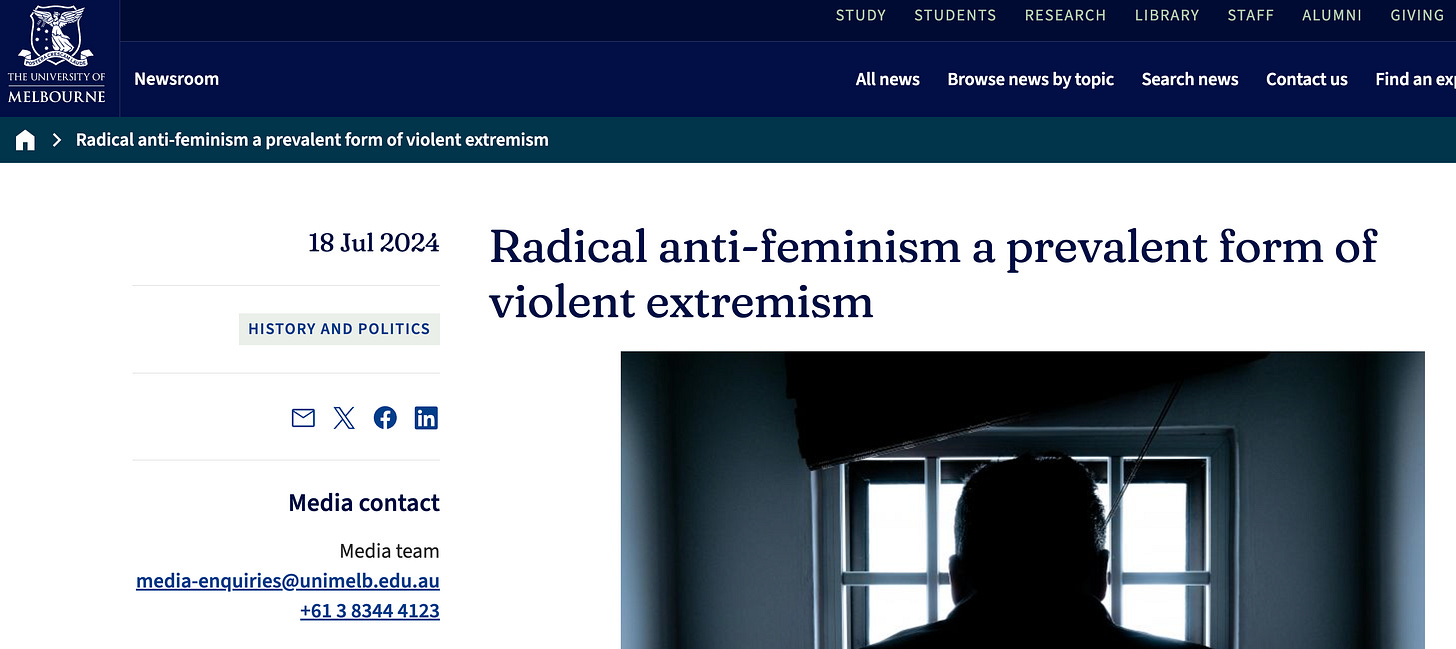
​The researcher’s own university offered this headline:


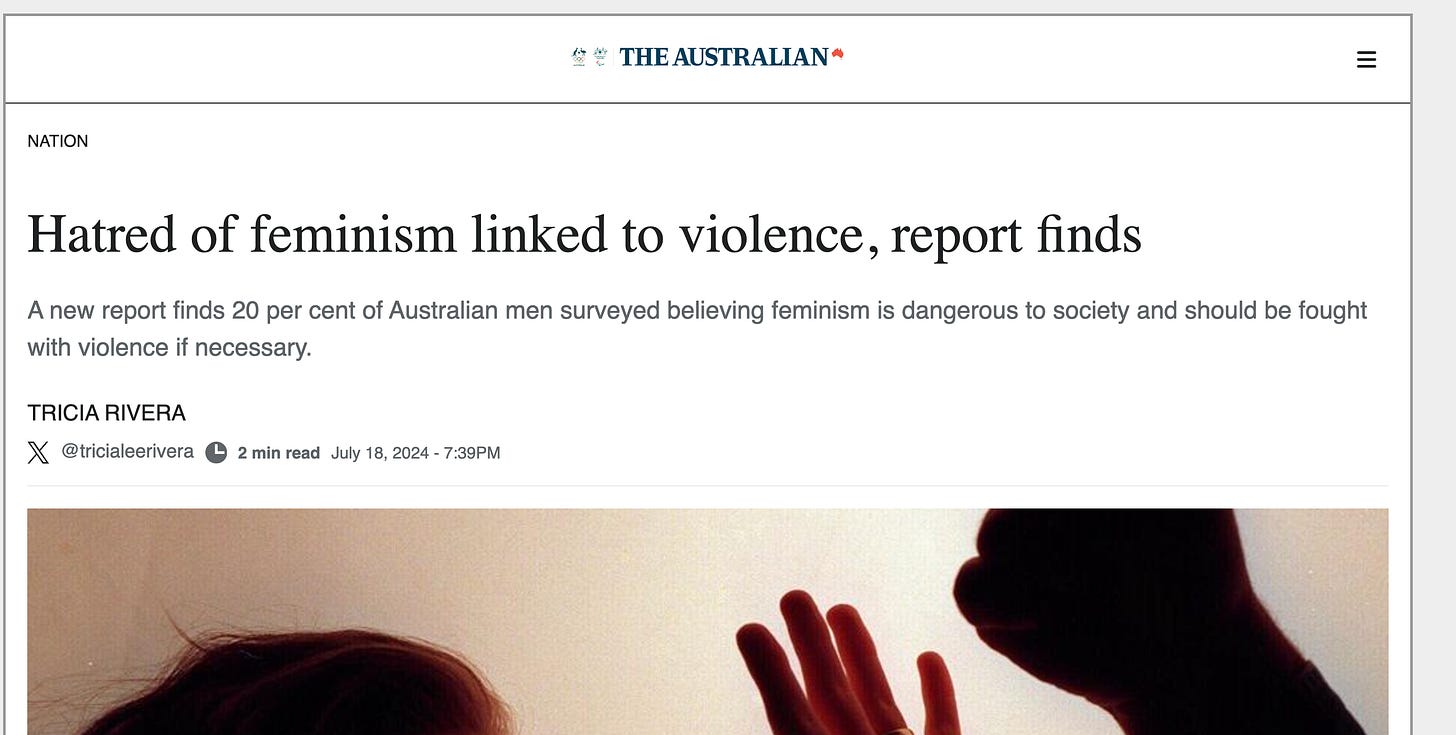
​or this one from the Australian


​with pictures like this:


​Imagine being a new reader of this article. People tend to put their trust in the media and even more trust in “research.” How could they come away from this article with anything but the sense that a surprisingly large number of men are dangerous to women and to feminism? And yet when you go back and look at the actual questions, that isn’t what the research established. That’s how a narrative gets sculpted.​
​​
​The​ original story expanded to teenage boys, Andrew Tate, rape, women being killed, terrorism, and national security. That’s quite a sculpture. And somewhere underneath all of it are the actual survey questions. I don’t know the motives of these researchers, and I don’t need to. I’m interested in something much simpler. Did the questions measure what the researchers say they measured? When I look at this study, I have serious doubts. And perhaps the most revealing evidence comes from the researchers themselves. When they asked men directly whether a male partner was entitled to push, slap, punch, kick or choke a woman because she argued with him or refused to obey him, 94.5 percent did not agree. That seems like an important finding. Funny how that didn’t make the headline.

Read full Article
See More
Available on mobile and TV devices
google store google store app store app store
google store google store app tv store app tv store amazon store amazon store roku store roku store
Powered by Locals